

Hyperpigmentation in Palm Beach, FL with Dr. Leena Ramani
Hyperpigmentation has a way of making even a small spot feel like it’s announcing itself to the world. Maybe it’s the sun-induced patches that seem to darken overnight, the post-blemish marks that linger long after the breakout is gone, or the uneven tone that no brightening serum can touch. No matter how it shows up on your skin, discoloration can be frustrating, stubborn, and surprisingly emotional.
At her Palm Beach practice, board-certified dermatologist Dr. Leena Ramani brings a warm, reassuring approach to every patient to help you better understand why pigmentation develops and which treatments genuinely make a difference. Her goal is to guide you toward clearer, more even-toned skin with solutions tailored to your unique needs.
To learn more about hyperpigmentation treatment options in Palm Beach County, call our office at (561) 486-8400 to schedule your consultation with Dr. Leena Ramani or complete our online form.
Quick Links
What Is Hyperpigmentation?
Hyperpigmentation refers to areas of skin that appear darker than your natural complexion due to an increase in melanin. When melanin is produced in excess or becomes unevenly distributed, it can create visible patches or spots that stand out against the surrounding skin.
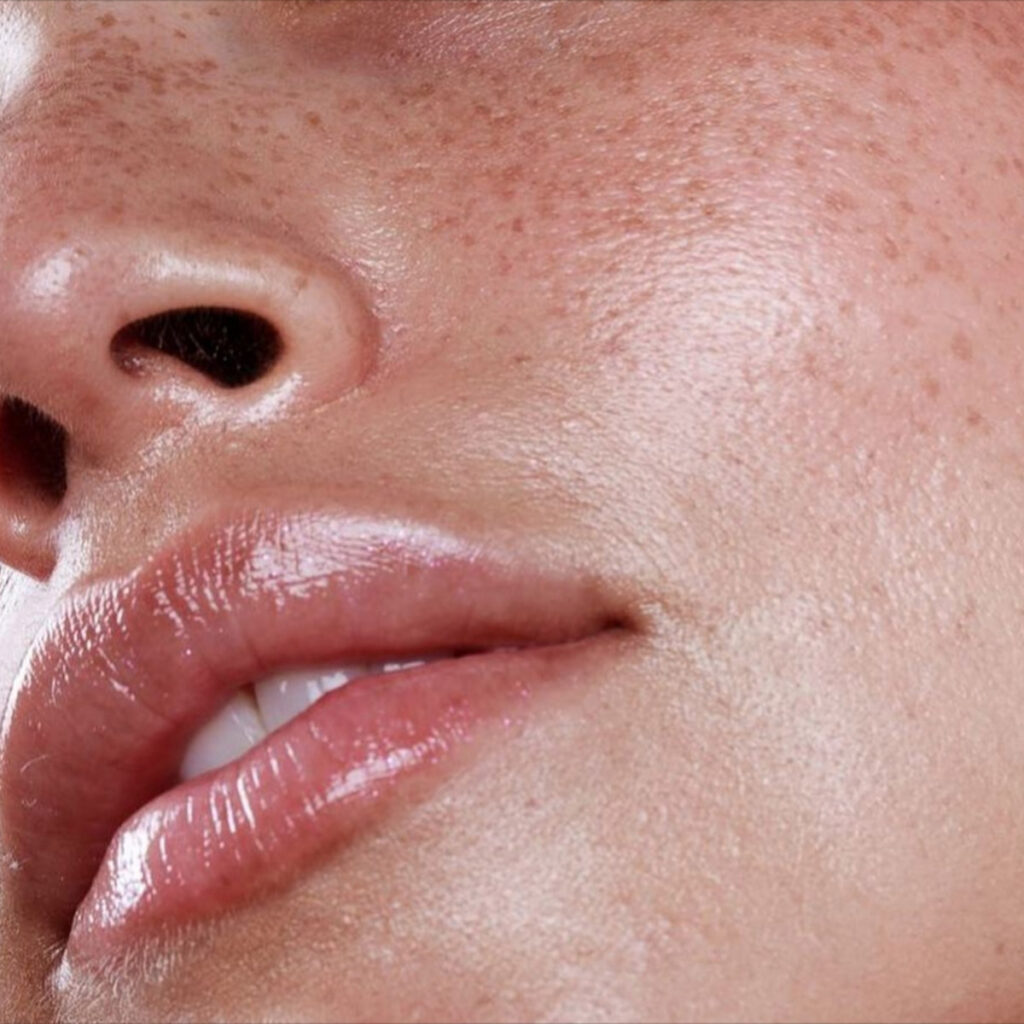
These darkened areas can show up in all kinds of ways, including sunspots, age spots, melasma, freckles, and post-inflammatory marks from acne or irritation. While it’s typically harmless, hyperpigmentation can feel frustrating, especially when it becomes difficult to conceal or when it disrupts the look of smooth, even-toned skin.
What Are the Causes of Hyperpigmentation?
Hyperpigmentation can develop for a variety of reasons, but the most common factors contributing to the overdevelopment of melanin include sun exposure, hormonal changes or imbalances, medications, age, skin injuries, or inflammation.
- Sun Exposure: UV exposure from the sun is one of the biggest contributors to hyperpigmentation. When your skin is exposed to ultraviolet light, it produces extra melanin as a natural defense mechanism. Over time, this can lead to sunspots, freckles, or uneven patches that deepen with continued exposure. Even small amounts of daily sun, like walking to your car or sitting near a window for extended periods of time, can gradually intensify discoloration. Certain medications can also enhance your skin’s sensitivity to the sun and sun-induced hyperpigmentation. Dr. Ramani can help identify potential culprits in your medication list. The best protection against sun exposure-induced hyperpigmentation is consistent sun block use with a protection of 30 SPF or higher.
- Hormonal Changes: Shifts or fluctuations in hormones can trigger melanin overproduction, especially in women. Pregnancy, birth control, and hormone therapies can all influence pigment activity, sometimes leading to a type of hyperpigmentation called melasma or chloasma that appears as patches on the cheeks, forehead, or upper lip. These hormonally driven spots can be very stubborn and often require a tailored treatment approach.
- Age: As the skin matures, its ability to regulate melanin becomes less precise, making age-related pigmentation changes more common. Years of accumulated sun exposure also start to show up more visibly, resulting in age spots or “liver” spots. These areas tend to appear in places that get the most sun over time, like the face, hands, chest, and arms.
- Skin Injuries: Any form of inflammation or injury, whether from acne and eczema or cuts, burns, or even bug bites, can lead to post-inflammatory hyperpigmentation. When the skin heals, it may leave behind a dark mark where the irritation occurred. These spots can fade on their own, but the process is often slow, and certain skin tones are more prone to developing them.
Meet Dr. Ramani
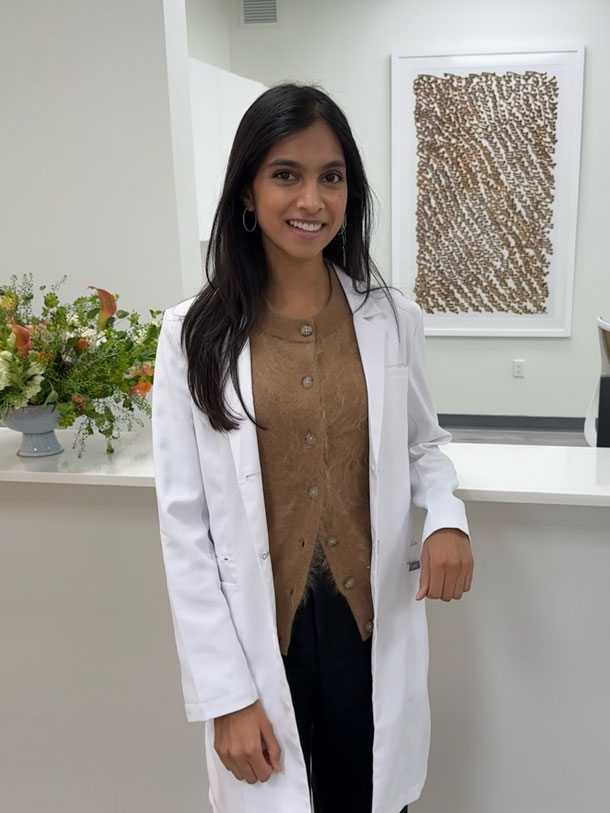
Experience elevated dermatologic care with Dr. Leena Ramani, a board-certified dermatologist and fellowship-trained hair transplant surgeon serving Palm Beach County. Known for her artistic eye and advanced expertise in both skin and hair restoration, Dr. Ramani blends evidence-based medicine with a refined aesthetic approach to deliver natural, timeless results.
Whether you’re seeking treatment for hair loss, skin conditions, or cosmetic enhancements, her patient-centered philosophy ensures personalized care in a calm, luxurious setting. Schedule your consultation today to discover how expert dermatology and artistry come together to help you look and feel your most confident.





What Are the Different Types of Hyperpigmentation?
- Post-Inflammatory Hyperpigmentation (PIH): PIH refers to dark marks that appear after inflammation or injury. These spots often follow acne breakouts, eczema flares, bug bites, or any irritation that disrupts the skin. As the skin heals, it can get a little overzealous and produce too much melanin, leaving behind a lingering brown or grayish spot. PIH is especially common in deeper skin tones and can take time to fade without targeted treatments.
- Sunspots: Sunspots, also known as “age spots,” are flat, well-defined brown patches caused by UV exposure. They tend to show up in areas that get the most sun over the years, like the face, chest, shoulders, and hands. These spots become more noticeable with age and cumulative sun exposure, making sun protection essential for prevention.
- Melasma: Melasma is a hormonally influenced form of hyperpigmentation that appears as symmetrical patches on the cheeks, forehead, or upper lip. It’s often triggered by pregnancy, birth control, or hormonal therapies. It can be deeply rooted in the skin and persistent. Sun exposure can worsen melasma, which is why a gentle, consistent treatment plan is essential.
- Freckles: Freckles are small, scattered spots that become more visible with sun exposure. They’re usually genetic and tend to darken in the summer and lighten in the winter. While totally harmless, some people seek treatment to reduce their appearance or prevent them from becoming more pronounced over time.
Common Treatments for Hyperpigmentation
The best treatments for hyperpigmentation include prescription topical creams, resurfacing treatments, or a combination of both. Depending on your type of hyperpigmentation, Dr. Ramani will examine your skin, diagnose the cause of your hyperpigmentation, and prescribe a treatment plan that works best for your skin’s needs.
Topical Treatments
- Alpha hydroxy acids (AHAs), including glycolic acid, chemically exfoliate the skin to help break apart hyperpigmentation over time.
- Hydroquinone is another topical skin-lightening agent that is typically used for individuals who want to treat melasma, age spots, liver spots, or freckles. It works by disrupting the production of melanin in the skin, which leads to discoloration.
- Retinoids, which are a form of vitamin A, help rejuvenate the tone and texture of the skin. It is the active ingredient found in Tretinoin creams and other topical medications.
- Azelaic acid acts as another exfoliant that promotes skin cell turnover. It can also help unclog pores and diminish discoloration over time, and has mild anti-inflammatory properties to keep potential acne breakouts away.
Resurfacing Treatments
Chemical peels are one of the most effective resurfacing treatments for uneven pigmentation. During the procedure, a carefully selected acid solution is applied to your skin and allowed to work for a precise and monitored amount of time.
While it sits, controlled exfoliation lifts away the outermost layer of dull, discolored skin, encouraging the growth of new, healthier cells. Over a series of treatments, chemical peels can noticeably improve tone, texture, and brightness on the face, neck, chest, and hands.
Why Choose Dr. Leena Ramani for Your Hyperpigmentation Treatment in Palm Beach, FL?
Dr. Leena Ramani is known for creating genuine, trusting relationships with her patients that are built on open communication, compassion, and a true understanding of their skin goals. From the moment you step into her Palm Beach practice, you’re welcomed into an environment that feels warm, supportive, and thoughtfully designed to put you at ease. Hyperpigmentation can be stubborn and emotionally challenging, and Dr. Ramani approaches every case with empathy and a commitment to helping you feel comfortable in your skin again. She takes the time to listen to your concerns, learn your history, and explain your treatment options in a way that feels empowering rather than overwhelming.
Patients choose Dr. Ramani for her extensive training, meticulous attention to detail, and dedication to long‑lasting results. She works with individuals of all ages and skin tones, customizing each treatment plan to address the underlying causes of discoloration while protecting and strengthening the skin. Whether you’re dealing with sunspots, melasma, post‑inflammatory hyperpigmentation, or a combination of concerns, her approach is always personalized, thoughtful, and grounded in what will best support your skin’s health and clarity.
What Can You Expect From Your Hyperpigmentation Treatment with Dr. Leena Ramani?
When you visit Dr. Leena Ramani for your hyperpigmentation treatment, your experience is designed to be personalized and completely centered around your comfort. You’ll be asked to arrive with clean, makeup‑free skin so your provider can clearly evaluate your complexion. The appointment begins with a careful evaluation of the discoloration you’ve been dealing with, followed by a conversation about your medical history, lifestyle factors, current skincare routine, and aesthetic goals. This helps Dr. Ramani determine the most effective and safest treatment plan for your skin.
Once your hyperpigmentation has been identified, you may be prescribed a topical regimen tailored to your needs. You’ll receive clear, detailed instructions on how to use each product, including how much to apply, when to apply it, and how to incorporate it into your existing skincare routine.
Your commitment to consistency and proper use is essential for achieving the best possible results. Photos will be taken at every visit to carefully monitor your response to treatment.
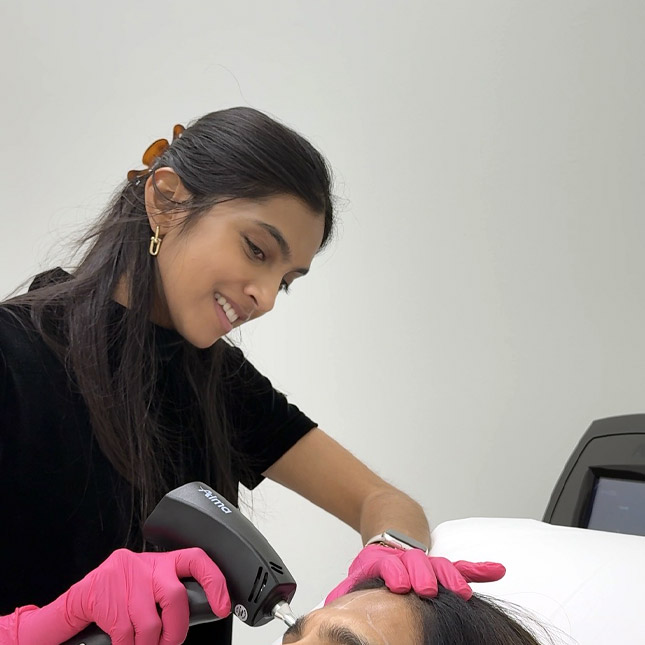
If a resurfacing procedure is recommended, your skin will be gently cleansed to remove any oils, lotions, or debris before treatment begins. All procedures take place in a calming, patient‑focused suite designed to help you feel at ease. Throughout the process, Dr. Ramani will explain each step, answer questions, and ensure your comfort. After your treatment, your skin will be soothed with a customized blend of restorative skincare products to support healing and enhance your results. You’ll leave with a clear understanding of what to expect in the days ahead and how to care for your skin as it rejuvenates.
Schedule Your Hyperpigmentation Consultation at Palm Beach Skin & Hair Restoration Palm Beach, FL
You don’t have to manage hyperpigmentation on your own, and you shouldn’t have to guess your way through treatments. Dr. Leena Ramani is dedicated to helping you achieve a brighter, more even‑toned complexion with a treatment plan tailored to your unique skin.
If you’re ready to restore clarity, confidence, and balance to your skin, schedule your hyperpigmentation consultation by calling (561) 486-8400 or completing our convenient online consultation form today.
Hyperpigmentation FAQs
How long does it take to see results from hyperpigmentation treatments?
Your results will vary depending on the type and depth of your discoloration, the treatment method, and your skin’s natural healing process. Many patients begin noticing improvement within a few weeks of starting topical treatments, while resurfacing procedures may produce visible results after one or more sessions.
Can hyperpigmentation return after treatment?
Yes, hyperpigmentation can return if underlying triggers, such as sun exposure, hormonal changes, or inflammation, aren’t properly managed. Dr. Ramani can provide you with personalized guidance on prevention, including sun protection, skincare routines, and maintenance treatments to help keep discoloration from reappearing.
Is hyperpigmentation treatment safe for darker skin tones?
Absolutely. Many treatments are safe and effective for deeper skin tones when performed by a board‑certified dermatologist experienced in treating diverse complexions. Dr. Ramani carefully selects techniques and products that minimize the risk of irritation or worsening pigmentation.
What skincare ingredients help reduce hyperpigmentation at home?
Ingredients like vitamin C, niacinamide, retinoids, azelaic acid, and hydroquinone can help brighten dark spots and even out skin tone. Dr. Ramani may recommend specific medical‑grade products tailored to your skin type to enhance and maintain your in‑office results.
Can lifestyle habits affect hyperpigmentation?
Yes. Factors such as sun exposure, picking at blemishes, inconsistent skincare routines, and certain medications can all influence pigmentation. Protecting your skin daily, avoiding irritation, and following a dermatologist‑guided regimen can significantly improve long‑term outcomes.