

Male vs. Female Pattern Hair Loss in Palm Beach, FL with Dr. Leena Ramani
Hair loss is a common concern among both men and women, but did you know that the causes and progression can differ for the sexes? Understanding the distinctions between male and female pattern baldness is an important step in selecting the right diagnosis and treatment options. At Palm Beach Skin & Hair Restoration in Palm Beach, FL, board-certified dermatologist and hair restoration specialist Dr. Leena Ramani helps patients make sense of these differences with clarity and find customized hair restoration solutions that align with their individual needs.
To learn more about hair restoration solutions in Palm Beach County, contact our office to schedule your one-on-one consultation with Dr. Ramani by calling (561) 486-8400 or completing our online consultation form.
Quick Links
What Is Pattern Baldness?
Pattern baldness, or androgenetic alopecia, is the most common cause of hair loss in both men and women. It is influenced by a combination of genetics and hormones, specifically dihydrotestosterone (DHT), which affects how hair follicles grow and renew over time. While the underlying characteristics are similar for both sexes, the way pattern baldness appears can look different for each. In men, it often follows a recognizable pattern that includes a receding hairline, thinning at the crown, or both. For women, it typically shows up as a more diffuse thinning across the scalp without a receding hairline, but with a more noticeable widening part or reduced overall volume.
Treatment Options for Male and Female Pattern Baldness in Palm Beach, FL
Dr. Ramani offers a range of science-backed treatments tailored to the unique needs of men and women experiencing pattern baldness. Depending on your diagnosis and goals, she may recommend:
- Topical Treatments: Topical treatments help support follicle activity, improve scalp health, and encourage healthier-looking hair growth when used correctly and consistently.
- Oral Medications or Nutraceuticals: Oral medications or nutraceuticals like Xtressé™ target internal factors that influence hair thinning, including hormonal issues and nutritional deficiencies.
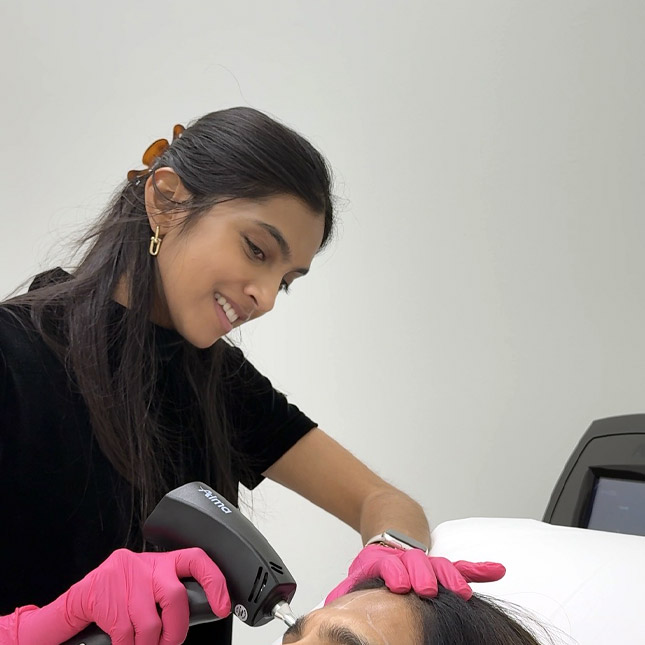
- Alma TED™: Alma TED™ is a non-invasive treatment that uses soundwave technology to enhance the absorption of hair growth serums into the scalp, promoting thicker, stronger hair.
- Red Light Therapy: A gentle, non-invasive option, red light therapy uses light energy to stimulate follicles and promote gradual regrowth.
- Hair Restoration Procedures: For patients who may benefit from surgical or advanced hair restoration techniques, Dr. Ramani offers advanced specialized follicular unit extraction (FUE) and follicular unit transplantation (FUT) surgical graft placement for natural-looking results.

How to Recognize the Early Signs of Pattern Baldness
Catching pattern baldness early can make a meaningful difference in how well treatments work, which is why it’s helpful to know what to look for. Many people first notice gradual thinning at the crown or temple, or for women, a widening part that becomes more visible over time. You might also see more hair collecting in your brush, shower drain, or on your pillow or bathroom floor. These can all signal an increase in shedding.
Another important clue is a family history of pattern baldness, since genetics is a significant factor in how this condition develops. During a consultation, Dr. Ramani uses a combination of advanced diagnostic tools and a thorough evaluation of your medical history, lifestyle, and health to determine the stage of your hair loss and guide you toward the most appropriate treatment options.
Meet Dr. Ramani
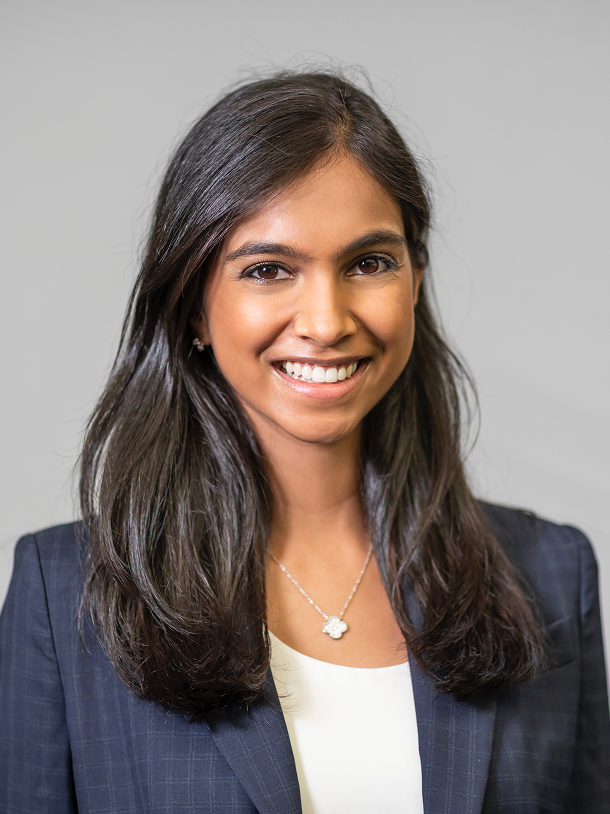
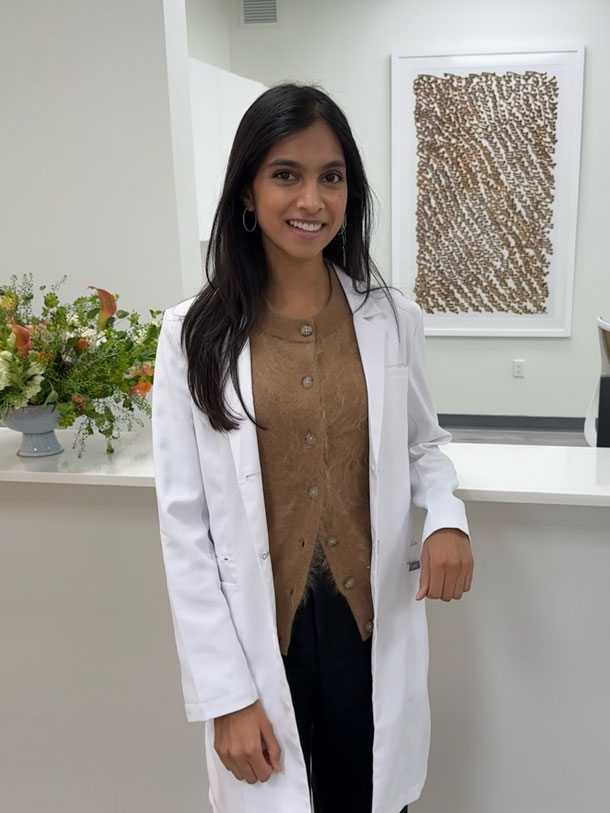
Experience elevated dermatologic care with Dr. Leena Ramani, a board-certified dermatologist and fellowship-trained hair transplant surgeon serving Palm Beach County. Known for her artistic eye and advanced expertise in both skin and hair restoration, Dr. Ramani blends evidence-based medicine with a refined aesthetic approach to deliver natural, timeless results.
Whether you’re seeking treatment for hair loss, skin conditions, or cosmetic enhancements, her patient-centered philosophy ensures personalized care in a calm, luxurious setting. Schedule your consultation today to discover how expert dermatology and artistry come together to help you look and feel your most confident.




Why Choose Dr. Leena Ramani as Your Hair Restoration Specialist?
Dr. Leena Ramani blends her medical expertise, compassion, and personalized care to fully address the issues you’re facing with pattern baldness. She understands that hair loss affects far more than appearance; it also impacts confidence, identity, and overall well-being. She takes her time to listen, evaluate, and explain your options clearly, ensuring you feel supported at every stage of your hair-health journey.
With a deep understanding of both male and female pattern baldness, Dr. Ramani tailors each treatment plan to your unique needs, using evidence-based therapies and a holistic approach that considers your scalp health, lifestyle, and long-term goals. Patients appreciate her thoughtful guidance, her commitment to realistic and effective solutions, and her dedication to helping them feel more like themselves again.
What Are the Differences Between Male and Female Pattern Baldness?
While pattern baldness affects both men and women, it doesn’t always look or progress the same way. Understanding these differences is important for spotting early signs and choosing the most effective treatment options.
Male Pattern Baldness (MPB):
- Thinning typically begins at the temples or the crown
- The hairline gradually recedes into an “M” shape
- Over time, thinning areas may merge, leading to partial or complete baldness
- Genetics and sensitivity to DHT play a major role in MPB
- Although most common in men over 50, it can begin as early as the late teens
Female Pattern Baldness (FPB):
Female pattern baldness presents much differently than male pattern baldness.
- Thinning is usually diffuse, starting at the part or the crown
- The frontal hairline generally stays intact
- Complete baldness is rare
- Hormonal changes, especially around menopause, are common triggers
- Women generally experience hair loss later on in life compared to men
Before & Afters
Schedule Your Hair Restoration Consultation with Dr. Leena Ramani in Palm Beach, FL
If you’re starting to notice thinning, shedding, or changes to your hairline or hair density, you don’t have to navigate it alone. Dr. Ramani offers thoughtful guidance, personalized treatment options, and a supportive approach to help you understand what’s happening and what you can do next.
When you’re ready, schedule a consultation with Dr. Leena Ramani at Palm Beach Skin & Hair Restoration by calling (561) 486-8400 or by completing our online consultation form, and begin your path toward restored confidence and healthier hair and scalp.
Male and Female Pattern Baldness FAQs
At what age does pattern baldness usually start?
Pattern baldness can begin at almost any age. Men may notice changes as early as their late teens or twenties, while women often see gradual thinning in their 30s, 40s, or during hormonal shifts like menopause, pregnancy, or postpartum.
Can stress make pattern baldness worse?
Stress doesn’t directly cause androgenetic alopecia, but it can accelerate shedding and make existing pattern baldness more noticeable, especially during periods of surgery, illness, emotional strain, or major life changes.
Is pattern baldness preventable?
While you can’t change your genetics, early evaluation and consistent treatment can slow progression, support healthier hair, and help preserve density over time.
Does wearing hats or helmets contribute to hair loss?
Hats and helmets don’t cause pattern baldness; however, very tight headwear worn daily may contribute to breakage or traction‑related thinning, which is different from genetic hair loss.
How long does it take to see results from treatment?
Most patients begin noticing improvements in shedding or density within 3 to 6 months, though full results often take longer. Dr. Ramani will monitor your progress and adjust your plan to help you achieve the best outcome.