

Understanding Hair Loss in Palm Beach, FL with Dr. Leena Ramani
Hair loss can feel deeply personal. It can happen gradually or appear overnight and affect more than just aesthetics. It can also affect your confidence, self-image, and day-to-day well-being. Because hair loss has so many possible causes—from genetics and hormones to stress, nutrition, and underlying medical conditions—it’s completely understandable to feel confused or overwhelmed when it starts happening to you.
Board-certified dermatologist and hair specialist Dr. Leena Ramani understands how emotional and frustrating hair loss can be. She takes a thoughtful, compassionate approach to helping patients discover why their hair is changing and what can be done about it. With a blend of medical expertise and genuine empathy, Dr. Ramani guides patients through the process of understanding their hair loss and exploring personalized options that support healthier, fuller hair.
To learn more about your specific type of hair loss and your treatment options, schedule your private consultation with Dr. Ramani at Palm Beach Skin & Hair Restoration by calling (561) 486-8400 or by completing our online consultation form.
Quick Links
What Causes Hair Loss?
Hair loss can happen for a myriad of reasons, and understanding why your hair is shedding at an alarming rate is often the first step to finding real answers. Most hair loss is linked to a combination of factors, some within your control, and others that simply come from being human.
Some of the most common hair loss causes include:
- Genetics: Your genetics can influence how your hair grows, how long it stays in its growth phase, and how it responds to aging. If you have a genetic predisposition for alopecia or male or female pattern baldness, there is a high chance that you will also be diagnosed with these hair loss conditions as well.
- Hormonal Changes: Hormonal changes can include thyroid shifts, pregnancy, postpartum changes, and menopause – all of which play a major role in how your hair behaves.
- Stress, Illness, or Major Life Events: Major stress on the body – mental or physical – can temporarily push more hairs into the shedding phase, leading to noticeable thinning in certain areas.
- Nutritional Deficiencies: When your body isn’t getting enough essential nutrients like iron, vitamin D, zinc, or protein, it prioritizes vital organs over hair growth. If your hair isn’t getting the nutrients it needs to grow and thrive, it can push more hairs into the shedding phase and lead to thinning over time.
- Autoimmune Conditions: In autoimmune disorders, the immune system mistakenly targets the body’s own tissues, including hair follicles. When this happens, patchy hair loss, sudden shedding, or thinning seems to appear out of nowhere.
- Scalp Inflammation: Conditions that irritate or inflame the scalp, such as dermatitis, psoriasis, or fungal infections, can disrupt the environment where hair grows. When the scalp is inflamed, follicles may weaken, leading to breakage or reduced growth.
- Medications: Some medications can affect the hair growth cycle as a side effect. The impact varies depending on the medication and the individual.

Common Types of Hair Loss Conditions
Not all hair loss conditions look or behave the same. Understanding the type of hair loss you’re experiencing is an important step toward finding the right treatment.
Androgenetic Alopecia (Pattern Hair Loss)
Also known as male or female pattern baldness, androgenetic alopecia is the most common form of hair loss. It’s largely hereditary and tends to progress gradually over time. Men often notice a receding hairline or thinning at the crown, while women typically experience diffuse thinning across the scalp, especially along the part line. Early evaluation can help slow progression and support healthier-looking hair.
Telogen Effluvium
Telogen effluvium is a type of hair loss that is often triggered by stress, illness, surgery, hormonal shifts, or major life changes. It causes a temporary increase in shedding as more hairs enter the resting phase of the growth cycle at once. While telogen effluvium can feel alarming and hopeless, it’s usually reversible once the underlying cause is addressed. Dr. Ramani can help pinpoint the trigger and support your recovery.
Alopecia Areata
Alopecia areata is an autoimmune condition where the immune system mistakenly targets hair follicles, leading to sudden, patchy hair loss on the scalp or other areas of your body, like the eyebrows, beard, chest, or back. It can occur at any age and may come and go unpredictably. Dr. Ramani provides compassionate guidance and helps her patients understand their options for managing their condition.
Traction Alopecia
Traction alopecia is a form of hair loss caused by repeated pulling or tension on the hair, usually from tight hairstyles like braids, ponytails, extensions, or certain protective styles. When caught early, traction alopecia can be reversible, but long-term tension may lead to permanent thinning. Dr. Ramani helps patients identify styling habits that may be contributing to hair loss and recommends healthier alternatives.
Scarring Alopecia (Cicatricial Alopecia)
Scarring alopecia is a less common type of hair loss, but a more serious condition in which inflammation destroys hair follicles and replaces them with scar tissue. Scarring alopecia does lead to permanent hair loss, so early diagnosis is essential. Dr. Ramani will perform a thorough evaluation to identify signs of scarring alopecia and guide patients toward appropriate treatment options.
How Hormones Affect Hair Growth
Hormones play a major role in how your hair grows, sheds, and renews itself, so when those hormones shift, your hair often feels and sees the impact. Many people don’t realize that hair follicles are highly sensitive to changes inside the body, which is why hormonal fluctuations can lead to thinning, shedding, or changes in texture.
One of the biggest hormonal factors is estrogen, which helps keep hair in its growth phase longer. When estrogen levels drop during menopause or after childbirth, hair may shed more easily and grow back finer. Thyroid hormones can also influence the speed of hair growth, so both underactive and overactive thyroid conditions can lead to noticeable thinning. Androgens, a group of hormones present in all genders, can also affect hair follicles. When androgens increase, some people experience pattern-type thinning along the hairline or crown.
Because hormonal hair loss can look different from person to person, Dr. Leena Ramani takes a thoughtful, whole-body approach to understanding what’s happening. She looks at your symptoms, medical history, and overall health to determine whether hormones may be contributing to your hair changes.
Hair Loss: Women vs. Men
Hair loss can affect both women and men, but it often shows up in very different ways. Women typically experience diffuse thinning, meaning the hair gradually becomes less dense across the entire scalp. Many notice a widening part, reduced volume, or increased shedding in the shower or on their brush. Because women rarely develop complete bald spots, changes can feel sudden at first, but still emotionally significant. Hormones, stress, genetics, and life stages like pregnancy and menopause often play a major role.
Men are more likely to develop patterned hair loss, which often starts as a receding hairline, thinning around the crown, or both. These areas may gradually expand over time. Genetics and androgen-sensitivity are major drivers, and the progression can vary widely from person to person.
Meet Dr. Ramani
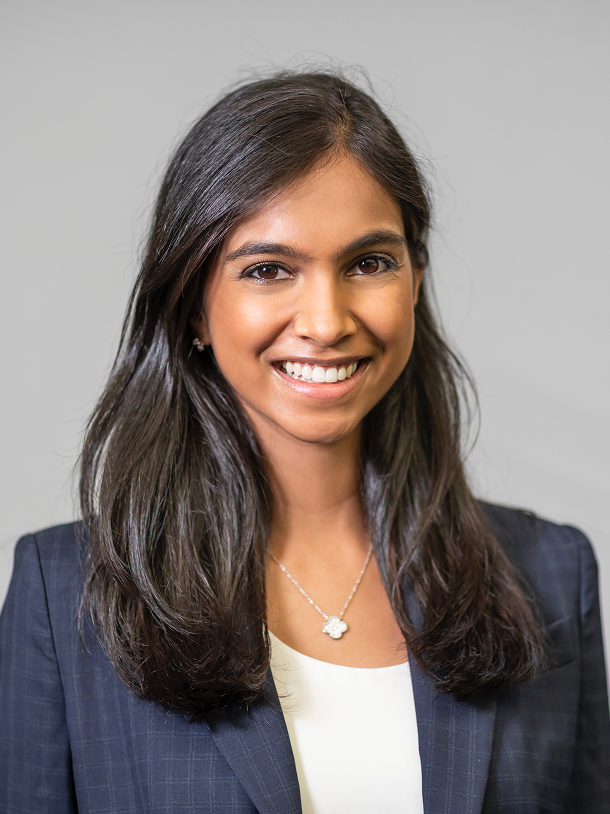
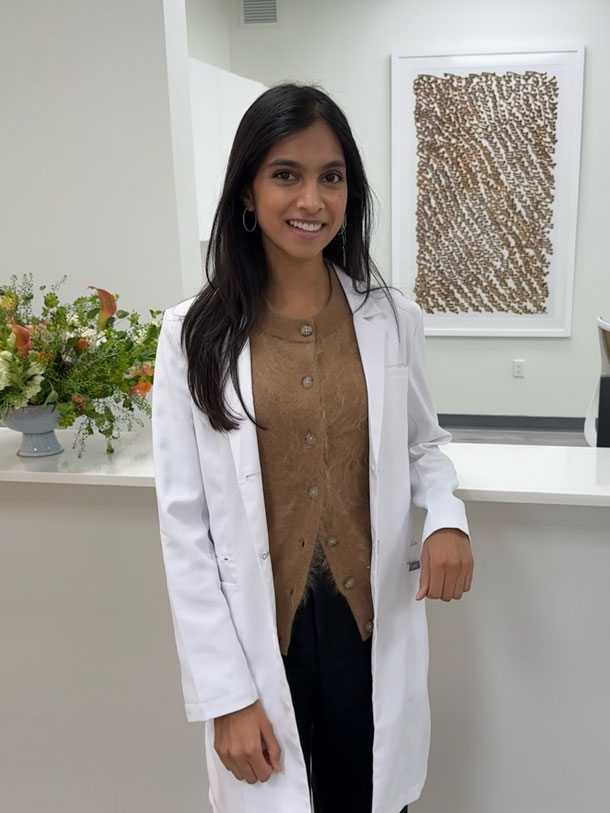
Experience elevated dermatologic care with Dr. Leena Ramani, a board-certified dermatologist and fellowship-trained hair transplant surgeon serving Palm Beach County. Known for her artistic eye and advanced expertise in both skin and hair restoration, Dr. Ramani blends evidence-based medicine with a refined aesthetic approach to deliver natural, timeless results.
Whether you’re seeking treatment for hair loss, skin conditions, or cosmetic enhancements, her patient-centered philosophy ensures personalized care in a calm, luxurious setting. Schedule your consultation today to discover how expert dermatology and artistry come together to help you look and feel your most confident.




How Dr. Leena Ramani Diagnoses Hair Loss
At Palm Beach Skin & Hair Restoration, the first step is a detailed consultation where Dr. Ramani will:
- Review Your Medical and Hair-health History: Dr. Ramani will begin by learning about your overall health, lifestyle, family history, recent stressors, and any changes you’ve noticed in your hair. These details often reveal important clues about what may be contributing to thinning or shedding.
- Scalp and Hair Examination: Next, she performs a close examination of your scalp and hair. Through this examination, she can identify patterns of thinning, signs of inflammation, breakage, or other visible indicators that point toward specific types of hair loss.
- Blood Tests: Dr. Ramani may order blood tests to check for any nutritional deficiencies or hormonal imbalances.
- Evaluation of Hair-Care Habits: Everyday habits like heat styling, tight hairstyles, or certain products can all play a role in hair loss. Dr. Ramani takes these factors into account to ensure nothing is overlooked.
- Scalp Biopsy: In some cases, a scalp biopsy is conducted to determine the specific type of alopecia that is causing your hair loss. This helps Dr. Ramani give a correct diagnosis and develop an effective treatment plan tailored to your condition and goals.
Hair Loss Treatment Options in Palm Beach, FL
Once Dr. Ramani identifies the underlying cause of your hair loss, she creates a personalized treatment plan designed to support long-term scalp and hair health. Her approach is thoughtful, evidence-informed, and tailored to your unique needs.
Depending on your diagnosis, she may recommend:
- Topical Treatments: Dr. Ramani uses topical treatments that support the hair growth cycle, improve scalp health, and strengthen existing strands. She’ll guide you on how to use the topical options consistently and effectively.
- Oral Medications and Nutraceuticals: For some patients, oral therapies or targeted nutraceuticals may help support healthier-looking hair from within. Dr. Ramani will discuss whether these options align with your goals and overall health.
- Platelet-Rich Plasma (PRP) Therapy: PRP uses components from your own blood to support follicle activity. Many patients appreciate that it’s a natural, minimally invasive option.
- Lifestyle and Nutritional Guidance: Stress, diet, and overall wellness can influence hair growth. Dr. Ramani incorporates supportive lifestyle recommendations when appropriate. These changes can help create a healthier foundation for your hair.
- Red Light Therapy: Red light therapy uses gentle light energy to support follicle function and improve density over time. Dr. Ramani may recommend in-office or at-home devices, depending on your needs.
- Hair Restoration Procedures: If surgical options or advanced restoration techniques may be more beneficial for you, Dr. Ramani does provide comprehensive, high-quality procedures to restore hair density and scalp health.
Why Choose Dr. Leena Ramani for Hair Loss Treatment?
Choosing the right specialist can make all the difference when you’re dealing with hair loss, and Dr. Leena Ramani is known for offering care that is both deeply knowledgeable and genuinely compassionate. She understands that hair loss isn’t just a medical concern but also an emotional one, and she creates a space where patients feel heard, supported, and empowered from their very first visit. Dr. Ramani takes the time to understand your unique experience, from your symptoms and health history to your lifestyle and goals. Her recommendations are never rushed or generic – they’re tailored to what you need.
From topical therapies and nutraceuticals to PRP and low‑level laser treatments, Dr. Ramani stays current with the latest options that support healthier, fuller‑looking hair. She helps you navigate these choices with confidence and clarity. And because hair loss rarely has a single cause, Dr. Ramani looks at the whole picture going on inside your body, including hormones, stress, nutrition, scalp health, and more, to create a plan that supports long‑term results, not just quick fixes.
Before & Afters
Schedule Your Hair Loss Consultation with Dr. Leena Ramani in Palm Beach County
If you’re feeling overwhelmed by shedding, thinning, or changes in your hair, you don’t have to navigate it alone. Dr. Leena Ramani is here to help you understand what’s happening and explore treatment options that accurately fit your needs. When you’re ready for support and a personalized plan, schedule a consultation with Dr. Ramani by calling our office at (561) 486-8400 or by completing our online consultation form, and start your journey toward healthier hair and renewed confidence.
Understanding Hair Loss FAQs
Can hair loss be reversed?
In many cases, hair loss can be improved, especially when the underlying cause is identified early. While not all types are fully reversible, the right treatment plan can often slow progression and support healthier hair.
Does frequent washing or shampooing cause hair loss?
Washing your hair doesn’t cause hair loss, but it can make shedding more noticeable because loose hairs are more likely to fall out in the shower. Shedding during washing is usually normal and not a sign of damage.
Can heat styling tools contribute to thinning hair?
Excessive heat from blow‑dryers, flat irons, or curling wands can weaken the hair shaft, leading to breakage that may mimic thinning. Gentle styling habits like infrequent use of these tools or using the cooler settings can help protect the strength and appearance of your hair.
Is hair loss always permanent?
Not necessarily. Some types of hair loss, like telogen effluvium or hair shedding caused by stress or illness, are often temporary. Others, such as genetic or scarring forms, may be more long‑lasting. A proper evaluation helps determine what’s possible if you’ve received one of these diagnoses.
Can changing my diet improve my hair health?
A balanced diet rich in protein, vitamins, and minerals supports overall hair health. While diet alone may not resolve medical causes of hair loss, it can play an important role in creating a healthier environment for growth.